Comprehending the Advantages and Selections of Aluminum Castings in Market
Aluminum castings have actually come to be progressively essential throughout numerous markets due to their unique properties and manufacturing convenience. Their lightweight and corrosion-resistant nature makes them ideal for requiring applications. Different casting techniques enable accurate and intricate layouts. As industries develop, understanding the series of light weight aluminum casting options and their advantages is important. This exploration elevates questions regarding their future duty in manufacturing and sustainability. What exists in advance for aluminum in these industries?
The Fundamentals of Aluminum Casting Processes
Although light weight aluminum spreading processes differ in method, they all share a common goal: to change molten light weight aluminum right into exact shapes and parts. The key approaches of aluminum casting consist of sand spreading, die spreading, and financial investment spreading. In sand spreading, molds are produced making use of sand, permitting complex designs however typically leading to a rough surface coating. Die casting utilizes high-pressure injection of molten aluminum into steel molds, producing high precision and smooth surfaces, appropriate for mass manufacturing. Financial investment spreading, or lost-wax casting, entails producing a wax pattern covered with a ceramic covering, giving remarkable information and dimensional precision. Each technique has its specific applications and considerations, consisting of expense, production quantity, and intricacy of the forms generated. Recognizing these fundamental strategies is necessary for sectors that rely upon aluminum castings to fulfill their layout and useful needs.
Secret Benefits of Using Aluminum Castings
Aluminum castings supply many benefits that make them a preferred option in different industries. One of the essential advantages is their lightweight nature, which enables for easier handling and decreased delivery prices. This characteristic adds to enhanced energy effectiveness, particularly in auto and aerospace applications. Additionally, aluminum shows superb deterioration resistance, extending the lifespan of components and reducing maintenance requirements.
Another benefit is the adaptability of aluminum castings, which can be built into complicated shapes, allowing ingenious styles that standard materials may not accommodate. The thermal and electrical conductivity of light weight aluminum also makes it perfect for applications calling for heat dissipation or efficient electric connections. Aluminum castings are recyclable, aligning with sustainability objectives and minimizing ecological effect. Generally, the combination of toughness, resilience, and flexibility makes light weight aluminum castings an important part in contemporary production practices across numerous fields.
Typical Sorts Of Aluminum Castings
Aluminum castings are created with different methods, each matched for different applications and requirements. Amongst the most common methods are sand spreading, which provides versatility and cost-effectiveness, and pass away spreading, understood for its accuracy and performance. Understanding these procedures is important for picking the proper casting method for particular industrial needs.
Sand Casting Refine
A significant portion of aluminum castings in market is produced with the sand spreading procedure, which is renowned for its adaptability and cost-effectiveness. This technique entails developing a mold from a sand mix, allowing for the manufacturing of complex shapes and huge components. Sand spreading is particularly useful for small to medium-sized manufacturing runs, as it calls for very little first financial investment in tooling. The process starts with pattern production, adhered to by mold prep work, putting molten light weight aluminum, and finally, cooling down and completing. The high thermal conductivity of light weight aluminum warranties also cooling, minimizing the threat of issues. Subsequently, sand spreading remains a favored selection for suppliers seeking performance and flexibility in their light weight aluminum casting applications.
Die Casting Techniques
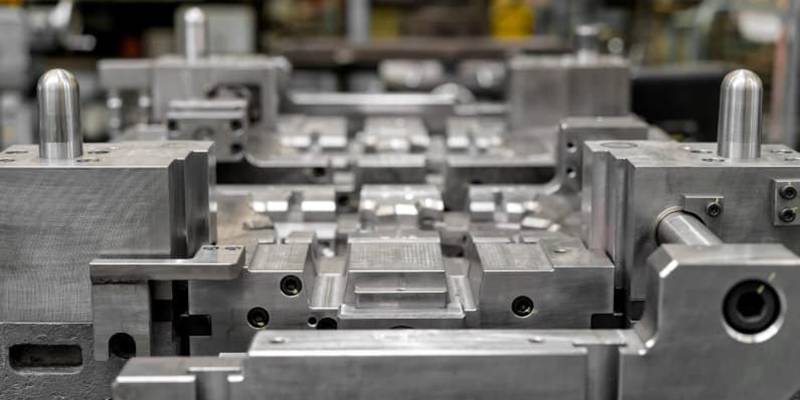
Die casting techniques represent a highly effective approach for generating aluminum castings, specifically suited for high-volume manufacturing. These techniques primarily include 2 usual types: hot chamber and chilly chamber pass away spreading. In hot chamber die casting, the liquified aluminum is infused right into the mold and mildew from a storage tank that is heated, making it suitable for low-melting-point alloys. On the other hand, cold chamber pass away casting entails pouring the liquified light weight aluminum right into a different chamber before shot, which accommodates higher melting-point materials. Both approaches offer precision fit intricate geometries and achieving superb surface area coatings. In addition, die casting is understood for its fast cycle times, lowering production expenses while keeping uniformity in quality throughout huge quantities of components.
Applications in the Automotive Sector
Changing lorry style and efficiency, aluminum castings play an important role in the automotive sector. These castings add substantially to weight decrease, enhancing gas performance and total vehicle characteristics. Key applications consist of engine blocks, transmission real estates, and suspension components, where their lightweight nature and toughness are crucial.
Aluminum castings also permit intricate geometries, making it possible for producers to develop elaborate designs that optimize air movement and reduce drag. This ability is especially valuable in electrical and hybrid automobiles, where performance and performance are paramount.
In addition, the corrosion resistance of light weight aluminum prolongs the lifespan of vehicle components, minimizing maintenance costs and improving lorry dependability. The convenience of light weight aluminum castings supports both automation and personalized applications, making them a favored option amongst auto designers and designers. Aluminum Casting. As the market remains to innovate, aluminum castings will remain a crucial element in the quest of innovative auto modern technologies
Aerospace Sector Usage
In the aerospace sector, aluminum castings are indispensable to the layout and capability of aircraft parts. These castings are used in numerous applications, consisting of engine components, structural parts, and indoor fittings. Their lightweight nature contributes to enhanced gas effectiveness and total performance, which is essential in aerospace design.
Aluminum castings also supply exceptional strength-to-weight proportions, enabling makers to produce detailed layouts without compromising architectural integrity. The ability to produce complex geometries makes aluminum casting a preferred selection for components that need precision and dependability.
In addition, light weight aluminum's resistance to deterioration boosts the durability of aerospace parts, lowering upkeep expenses and improving safety (Aluminum Casting). The casting procedure permits for high-volume production, fulfilling the industry's needs for effectiveness. In general, light weight aluminum castings play a critical role ahead of time aerospace modern technology and optimizing airplane design, contributing to the industry's recurring technologies
Benefits Over Other Products
Aluminum castings offer considerable advantages over other products, making them a recommended choice in numerous sectors. Among the primary benefits is their lightweight nature, which adds to minimized power usage and enhanced performance in applications such as automotive and aerospace. In addition, aluminum displays exceptional deterioration resistance, permitting extended toughness and minimized maintenance prices.
The material's premium thermal and electrical conductivity further improves its appeal, especially in applications requiring warm dissipation or efficient energy transfer. Aluminum Casting. Aluminum castings also supply exceptional dimensional security, making sure accurate tolerances and reducing the probability of problems throughout the production process
In addition, the convenience of light weight aluminum enables for complex shapes and detailed styles, which can be accomplished with different casting techniques. This adaptability makes light weight aluminum an important choice for suppliers intending to innovate why not try this out while maintaining cost-effectiveness and high quality. In conclusion, light weight aluminum castings stand apart because of their special mix of buildings that deal with varied industrial demands.
Future Fads in Aluminum Casting Modern Technology
Future patterns in light weight aluminum spreading technology are significantly concentrated on automation and the advancement of innovative alloys. Automation stands to enhance efficiency and accuracy in casting processes, minimizing labor expenses and boosting product uniformity. Concurrently, innovations in alloy formulations assure to broaden the variety of applications for aluminum castings, addressing details performance needs in numerous markets.
Automation in Casting Processes

Advanced Alloys Advancement
With the continuous development of material scientific research, the growth of innovative alloys is readied to change light weight aluminum casting technology substantially. These cutting-edge alloys are created to improve mechanical residential properties, deterioration resistance, and thermal stability, dealing with diverse commercial applications. Scientists are concentrating on hybrid alloys that integrate components such as magnesium, silicon, and zinc to attain peak performance. Additionally, pop over to these guys advancements in computational modeling and simulation are enabling the forecast of alloy behavior under different conditions, improving the layout process. The integration of reusing technologies is additionally becoming important, permitting makers to produce high-performance light weight aluminum castings while minimizing environmental effect. As these fads continue, the aluminum spreading sector is most likely to witness considerable improvements in effectiveness, sustainability, and product quality.
Often Asked Questions
How Is Aluminum Casting Eco-friendly?
The inquiry of light weight aluminum spreading's ecological kindness arises from its recyclability and reduced energy intake contrasted to various other steels. Furthermore, improvements in lasting methods better enhance its green track record within making processes.
What Is the Regular Lifespan of Aluminum Castings?
The regular lifespan of aluminum castings varies based on application and atmosphere, normally ranging from numerous years to decades. Aspects such as exposure to destructive aspects and mechanical anxiety can considerably affect their resilience and long life.
Can Aluminum Castings Be Reused?
Aluminum castings can undoubtedly be recycled. This process considerably decreases waste and saves resources, permitting manufacturers to reuse materials successfully. Recycling aluminum castings adds to sustainability and reduces the ecological effect related to light weight aluminum production.
What Are the Typical Defects in Aluminum Castings?
Typical flaws in aluminum castings consist of porosity, shrinkage, misalignment, and surface flaws. These concerns can arise from inadequate putting strategies, inappropriate alloy composition, or insufficient cooling, eventually impacting the top quality and efficiency of the last product.
Exactly how Do I Pick the Right Aluminum Casting Refine?
Picking the appropriate light weight aluminum casting process get more calls for reviewing manufacturing volume, component complexity, and preferred homes. Elements such as expense, preparation, and material qualities likewise affect the decision, making certain ideal outcomes for certain applications.